- Case Study -
BOXXER CONCEPT
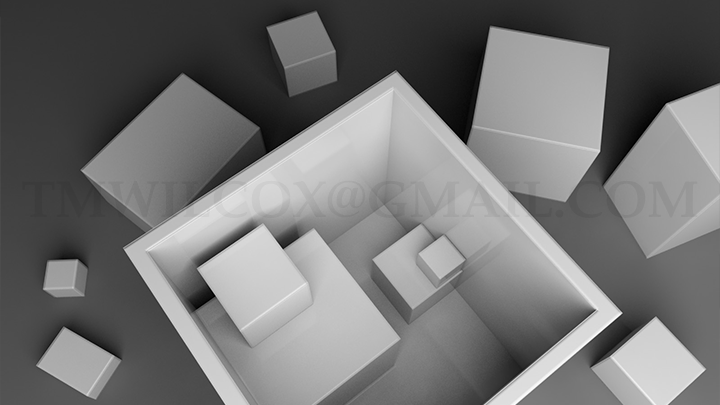
Spatial ability is a predictor of successful STEM careers and education. "BOXXER" is an app for enhancing spatial ability with virtual reality, and for demonstrating interaction design and artificial intelligence. The "BOXXER" concept was voted Best Industrial Product by attendees of the 2018 international NATO e‑Learning Conference.
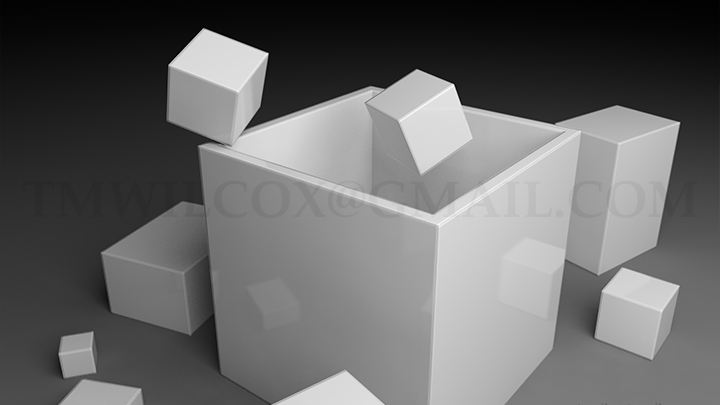
"BOXXER" challenges players to fill a large box with smaller boxes, leaving the least possible unfilled space. The interface allows box manipulation with dual VR controllers or hand and finger tracking. A player's score factors total attempts, elapsed time, and the unfilled space remaining at the end of a round. The dramatic lighting and dynamic camera angles in these renders came together in Autodesk 3ds Max.

"BOXXER" generates box dimensions in real-time with heuristics instead of a lookup table. The procedural generator adapts dynamically to a player's strategy. The more skillful the player, the more capable the app's intelligent agent becomes by steadily improving its ideal performance model and prediction accuracy. "BOXXER" derives from my 2017 EDUDEV blog post, "Making A Puzzle App With Unity."
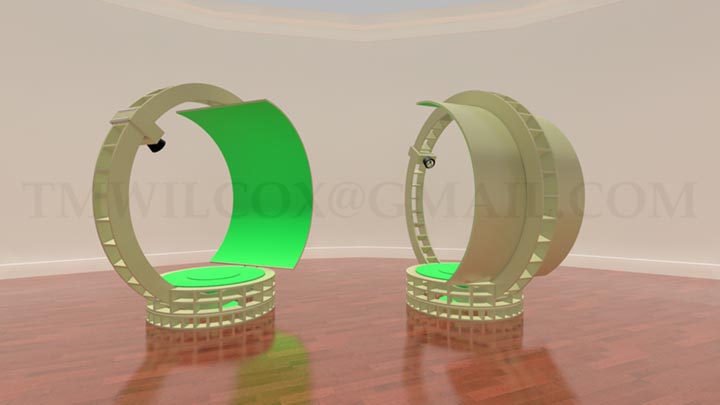
3D SCANNER
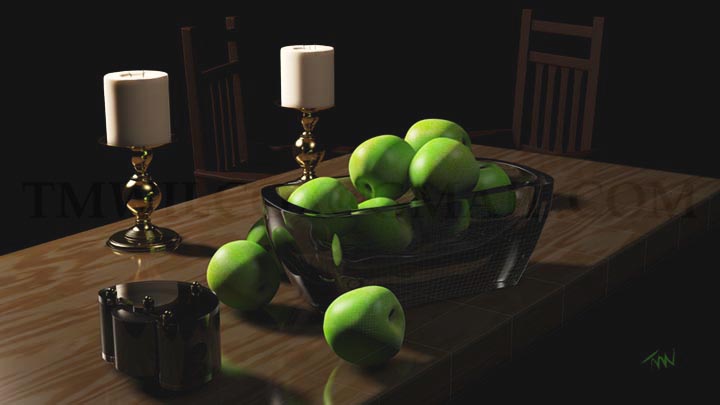
CGI STILL LIFE
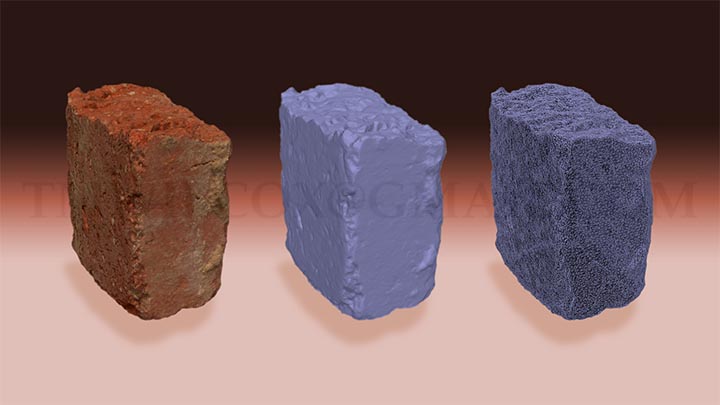
THIS IS NOT A BRICK
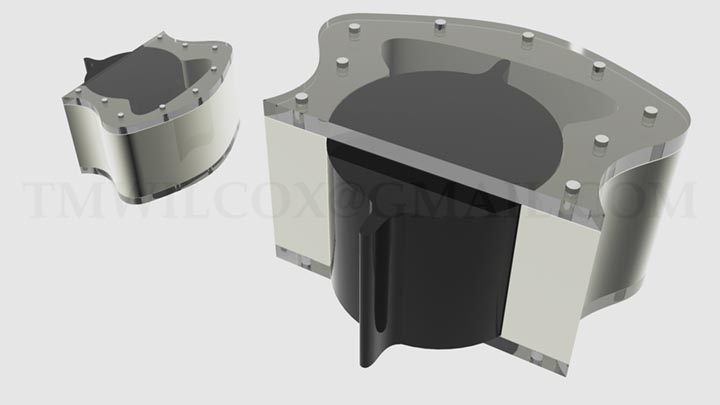
BIOMIMETIC DEVICE

OPERATION ICE HOUSE
VIRTUAL RESORT

BOOK COVER
VIRTUAL REALITY CONTROLS
BOARD GAME
FRAME CONNECTOR
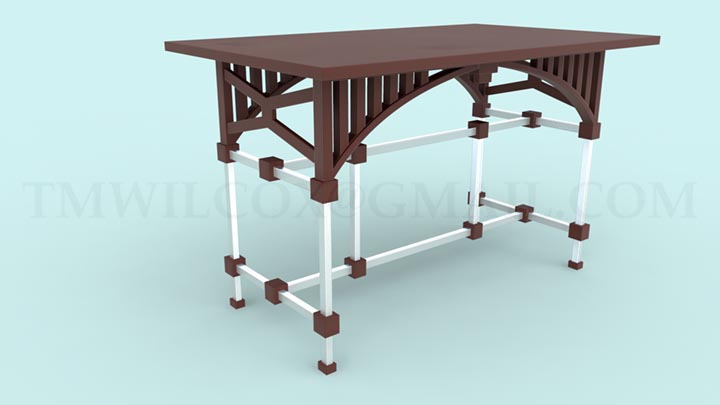
MONITOR TABLE
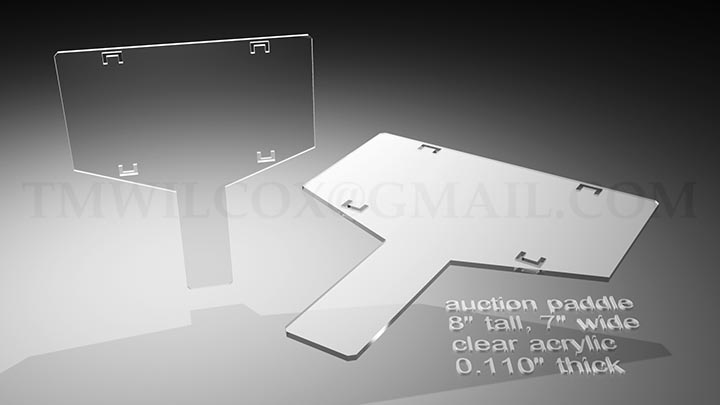
AUCTION PADDLE
BOXXER CONCEPT
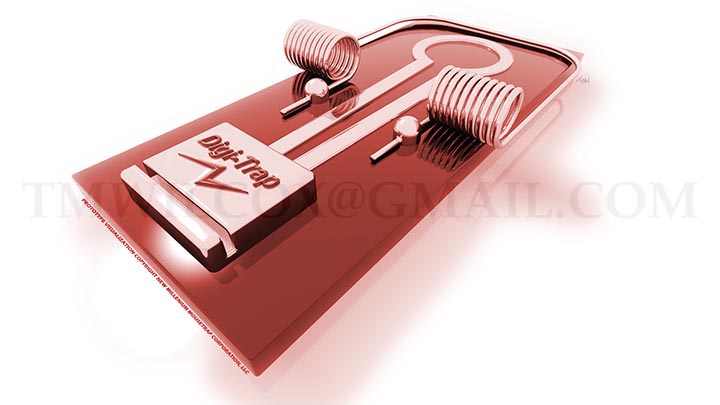
IRONICAL MOUSETRAP
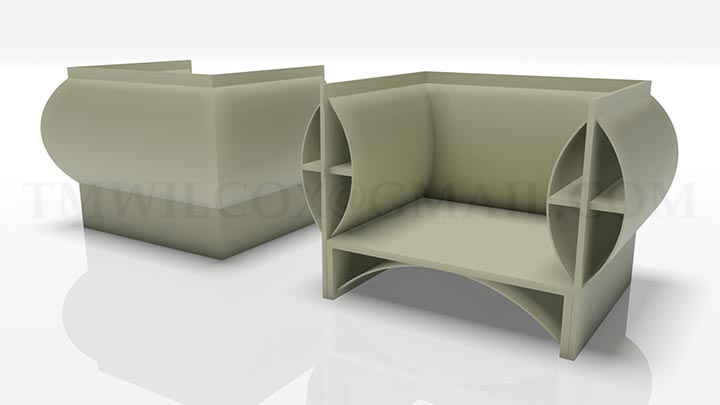
BOW CHAIR

ODS IMAGES & ANIMATION
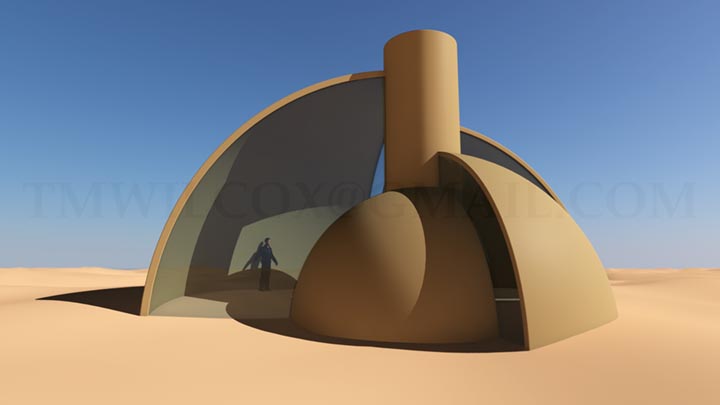
PRINTABLE DWELLING
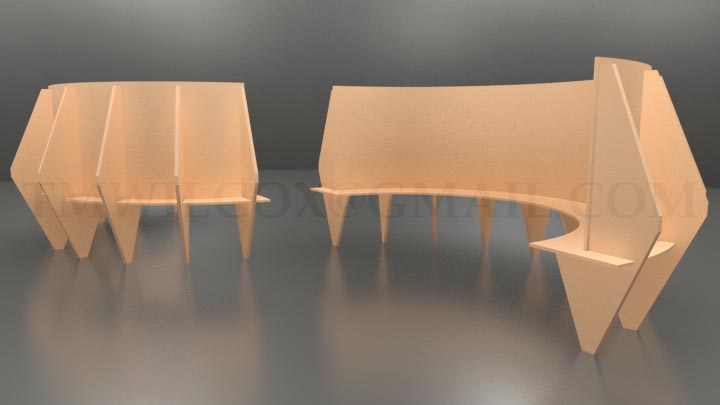
EXHIBIT DISPLAY

MONOLITHIC LOGO
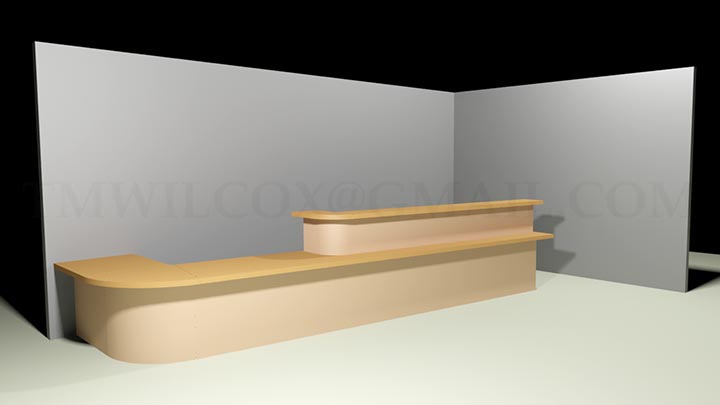
RECEPTION DESK
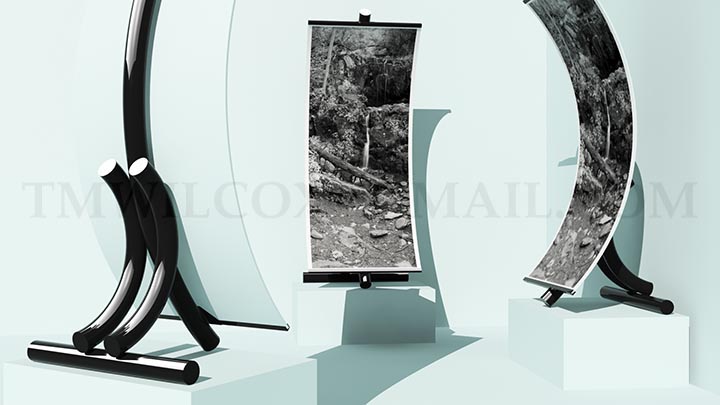
FLOOR STAND
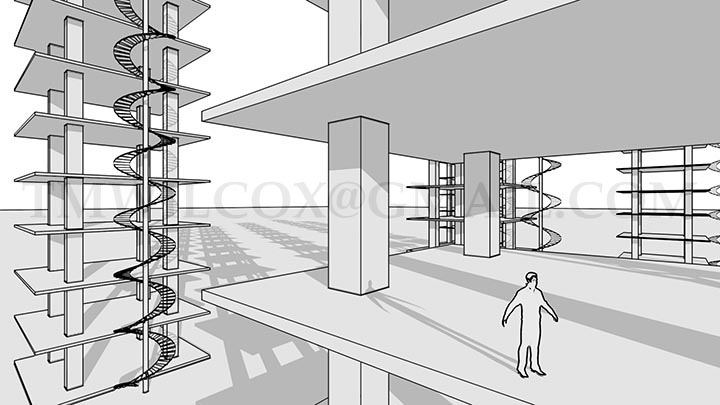
VAN DER ROHE CITY
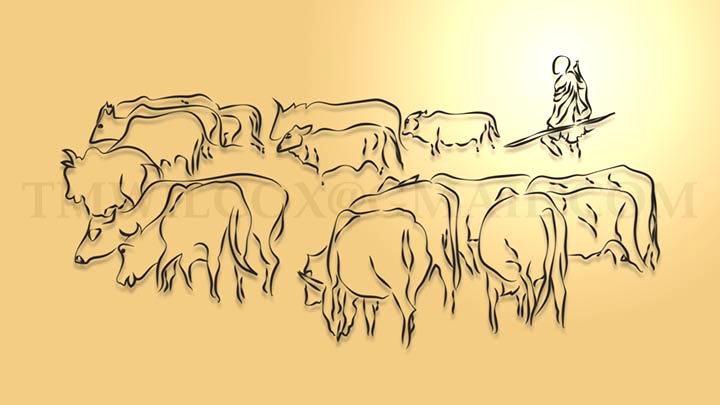
CATTLE HERDER
Spatial ability is a predictor of successful STEM careers and education. "BOXXER" is an app for enhancing spatial ability with virtual reality, and for demonstrating interaction design and artificial intelligence. The "BOXXER" concept was voted Best Industrial Product by attendees of the 2018 international NATO e‑Learning Conference.
"BOXXER" challenges players to fill a large box with smaller boxes, leaving the least possible unfilled space. The interface allows box manipulation with dual VR controllers or hand and finger tracking. A player's score factors total attempts, elapsed time, and the unfilled space remaining at the end of a round. The dramatic lighting and dynamic camera angles in these renders came together in Autodesk 3ds Max.
"BOXXER" generates box dimensions in real-time with heuristics instead of a lookup table. The procedural generator adapts dynamically to a player's strategy. The more skillful the player, the more capable the app's intelligent agent becomes by steadily improving its ideal performance model and prediction accuracy. "BOXXER" derives from my 2017 EDUDEV blog post, "Making A Puzzle App With Unity."
"BOXXER" challenges players to fill a large box with smaller boxes, leaving the least possible unfilled space. The interface allows box manipulation with dual VR controllers or hand and finger tracking. A player's score factors total attempts, elapsed time, and the unfilled space remaining at the end of a round. The dramatic lighting and dynamic camera angles in these renders came together in Autodesk 3ds Max.
"BOXXER" generates box dimensions in real-time with heuristics instead of a lookup table. The procedural generator adapts dynamically to a player's strategy. The more skillful the player, the more capable the app's intelligent agent becomes by steadily improving its ideal performance model and prediction accuracy. "BOXXER" derives from my 2017 EDUDEV blog post, "Making A Puzzle App With Unity."
3D SCANNER
CGI STILL LIFE
THIS IS NOT A BRICK
BIOMIMETIC DEVICE
OPERATION ICE HOUSE
VIRTUAL RESORT
BOOK COVER
VIRTUAL REALITY CONTROLS
BOARD GAME
FRAME CONNECTOR
MONITOR TABLE
AUCTION PADDLE
BOXXER CONCEPT
IRONICAL MOUSETRAP
BOW CHAIR
ODS IMAGES & ANIMATION
PRINTABLE DWELLING
EXHIBIT DISPLAY
MONOLITHIC LOGO
RECEPTION DESK
FLOOR STAND
VAN DER ROHE CITY